 curriculum social
A place to belong.
A world to learn.
Curriculum Social helps families meet, share activities, and homeschool together.
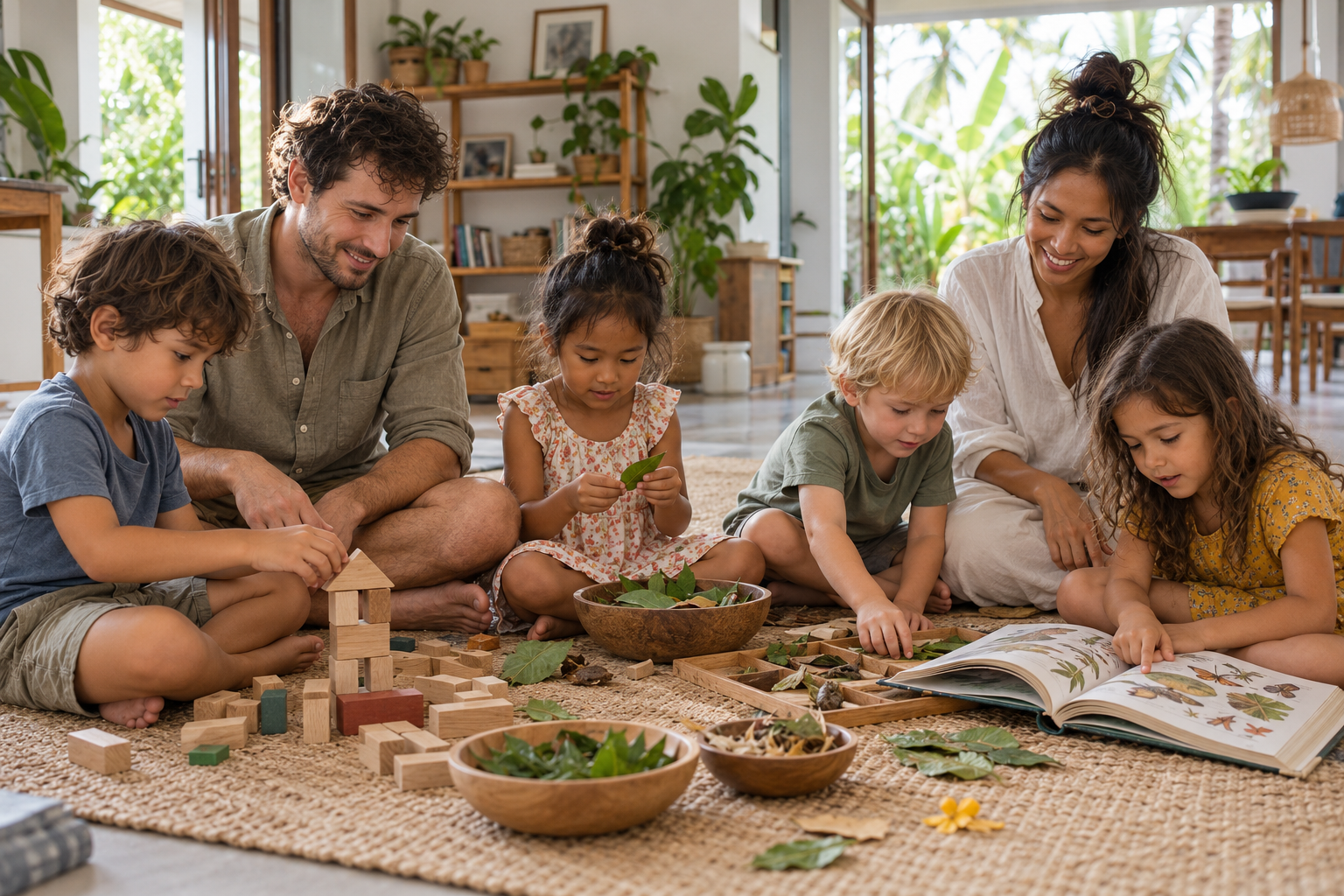
Start with a shared moment.
Meet local families for a beach walk, a hands-on project, or regular learning together.
Explore gathering ideas · Demo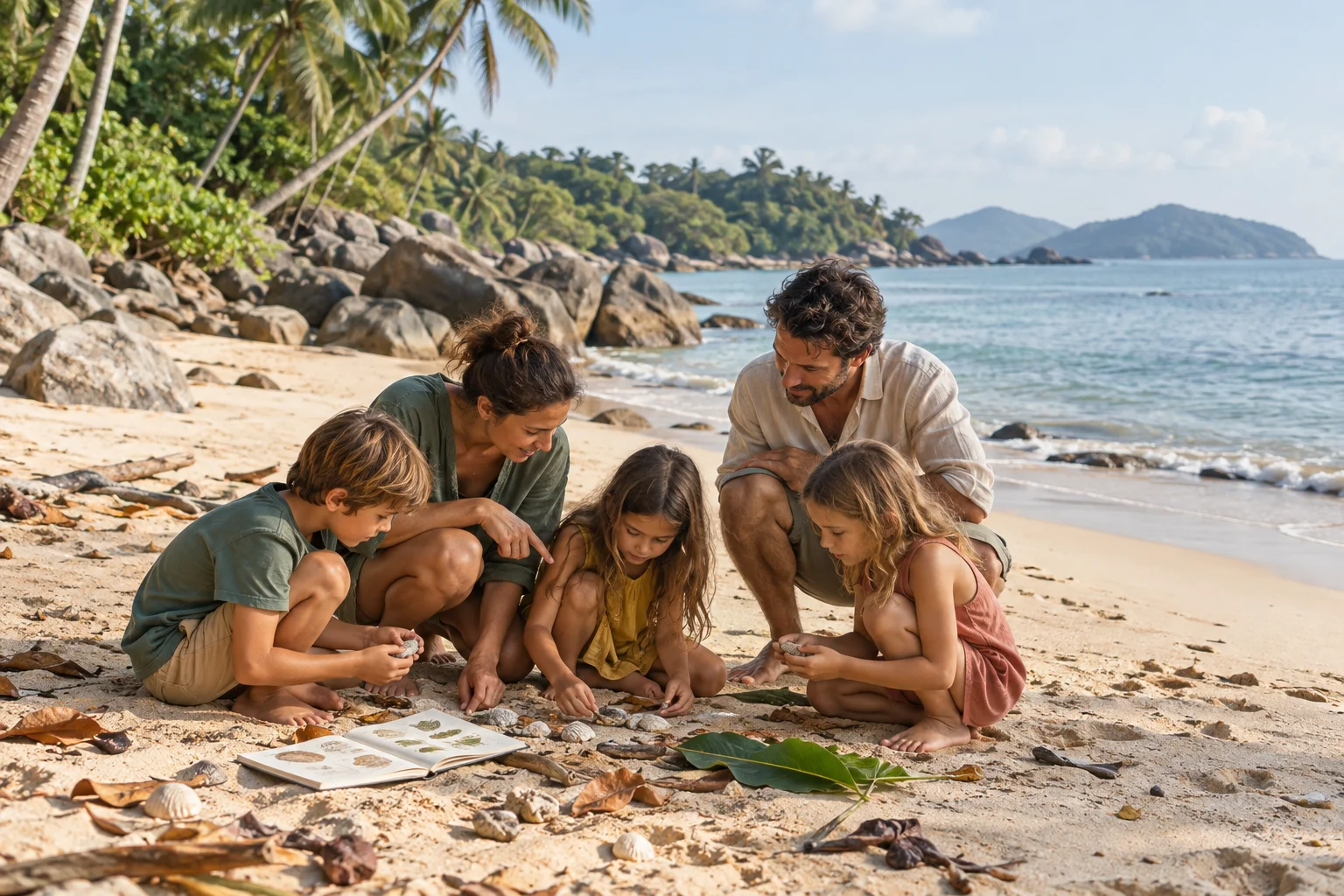
Small discoveries. Big questions.
A leaf, a shell, a shadow. The everyday world becomes a starting point for noticing, comparing and wondering together.
Less sitting still.
More finding out.
Kids build confidence by making things, exploring outdoors, and solving problems together.
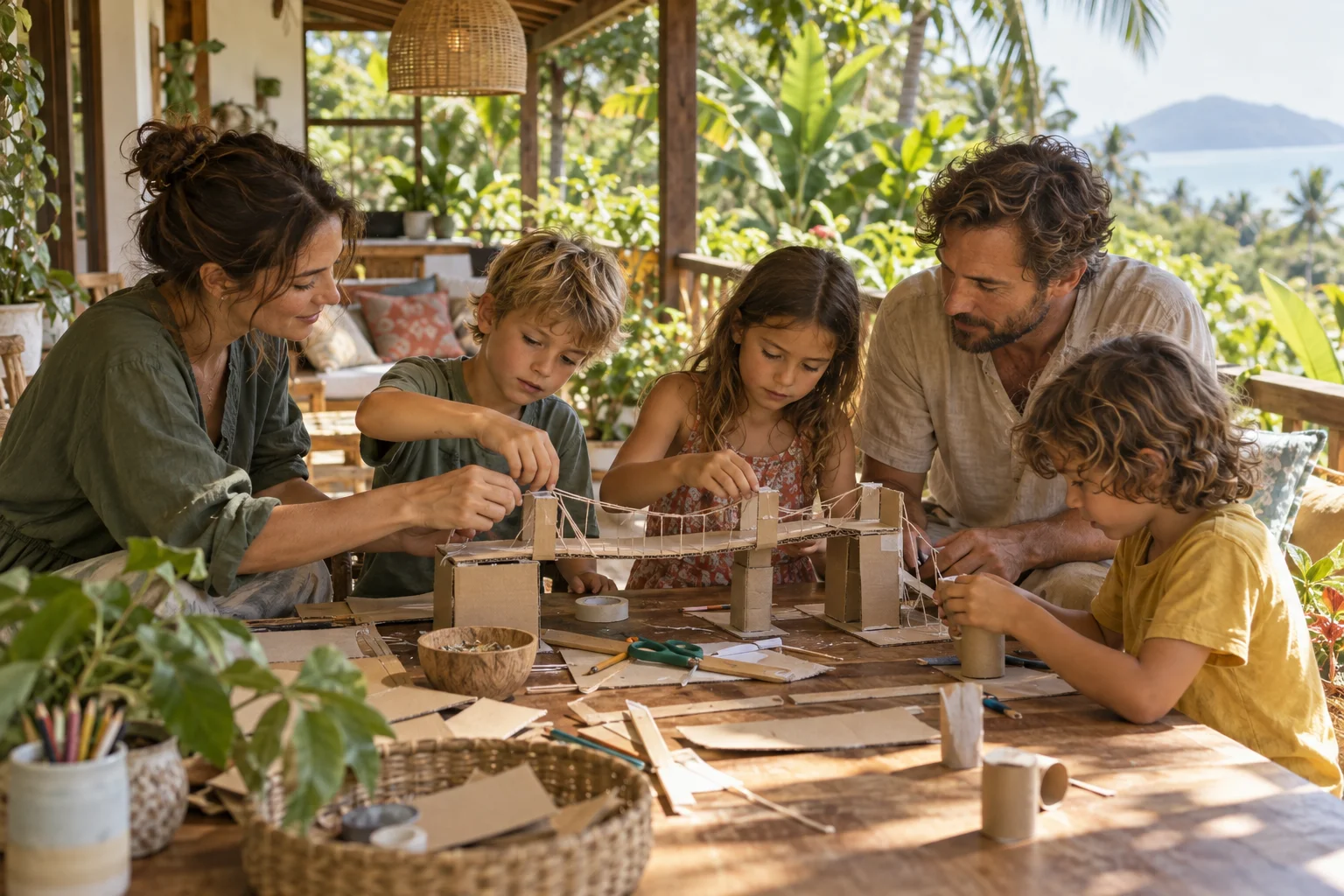
More human connection.
Smarter support.
Families share teaching and hosting. Educators can lead specialist sessions.
Planned: AI-assisted testing and homework, introduced gradually based on age and readiness, with adult supervision.
Peek inside the community demo
Find people. Make room for discovery.
A pod is an ongoing social homeschool group: families share teaching and rotate suitable homes around a connected learning plan.
Explore pods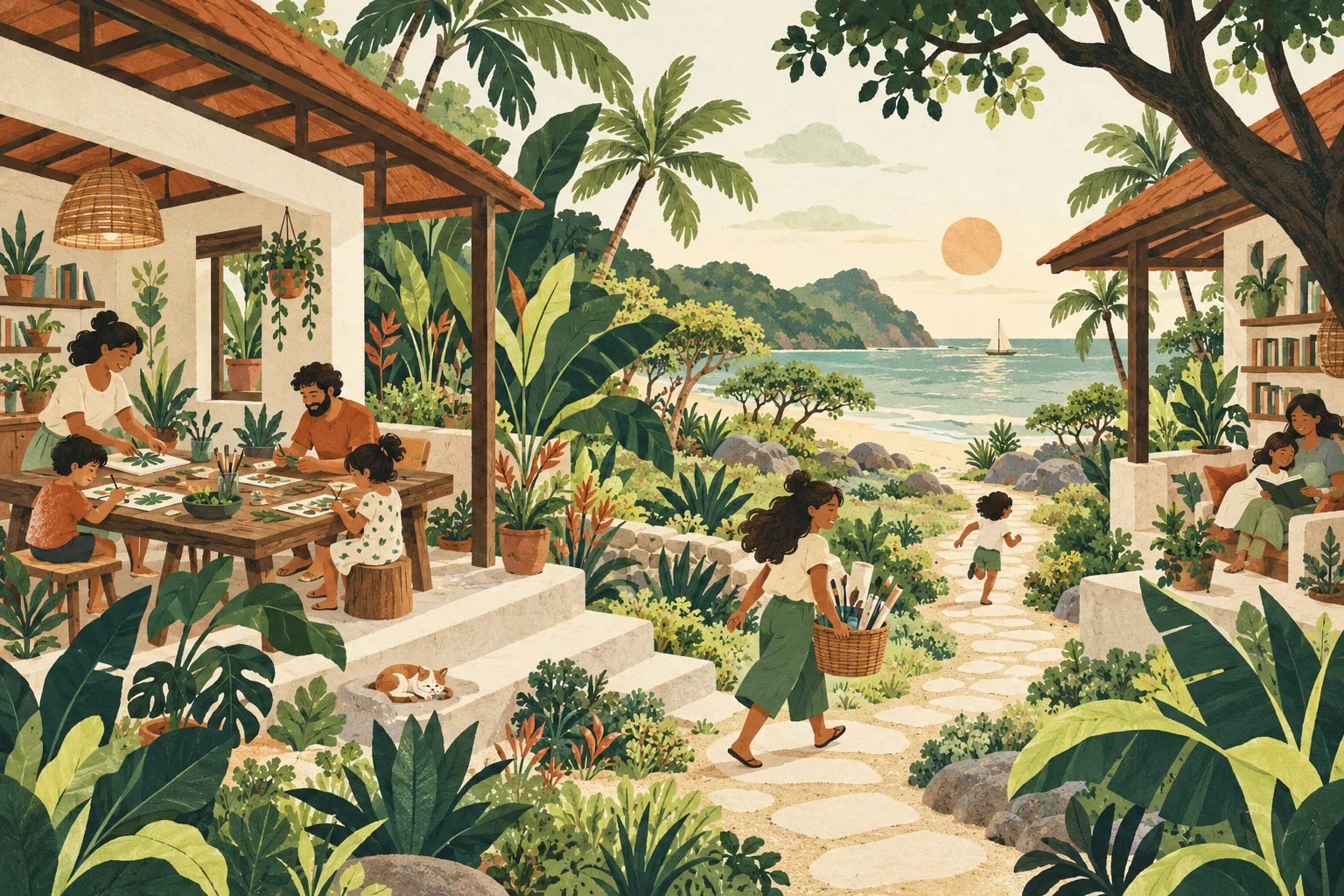
Find your place
in what comes next.
Start with your family, share a skill or help make a gathering possible.
You don’t have to figure it out alone.
Create your family profile, find shared interests and explore caregiver-attended gatherings at your own pace.
A clearer picture.
What can I use today?
Create an adult account, save your family profile and find families with shared interests. Send contributions, request introductions from shared cards, and arrange free caregiver-attended Events. Exact meeting details are shared after the host approves your household request.
Family invitations are available. Invite an adult to view your saved family profile while you keep editing access. Ongoing pods and student learning records are still demos.
Open invitationsHow does a rotating pod work?
Families agree on a recurring teaching and hosting rotation. The ideal pod has at least two or three suitable homes available; not every family needs to host. Teachers may contribute specialist sessions. Beaches, parks and other public venues primarily support outings and events. The group must agree on supervision and responsibilities before meeting.
How do pods connect to education?
The pod is the ongoing learning community. Classes, projects and outings sit within its shared learning plan. Private progress records are intended to connect that learning across homes. A pod may support a family’s wider education arrangement; any pathway toward a main homeschool provision needs its own applicable requirements and recognition checked.
Is this a school or an accredited curriculum?
Curriculum Social is an educational community and platform in development. No accreditation, school licensing or official recognition is claimed. Families need guidance relevant to their location and educational requirements.
What will it cost?
Affordability is a goal. Prices depend on actual staffing, venue and delivery costs. Savings and educational outcomes have not yet been established.
Can I help without becoming a daily organizer?
Offer a specific contribution and realistic availability. Families agree on a realistic teaching, hosting or other contribution. Teachers and paid coordination can support the pod where needed; the founder is not the default organizer or substitute.
How do you use AI in learning?
Hands-on experiences come first for younger children. Direct AI use belongs in purposeful, supervised projects introduced gradually with age and readiness, with offline alternatives and family preferences respected.
Who can see our information?
Your family card is hidden from Find families until you choose to share it with signed-in members. Adults who accept a family invitation can view the saved profile even when its card is hidden. Your email and private account details are not shown in family discovery.